Traffic Signal Academy
Traffic Signal Academy
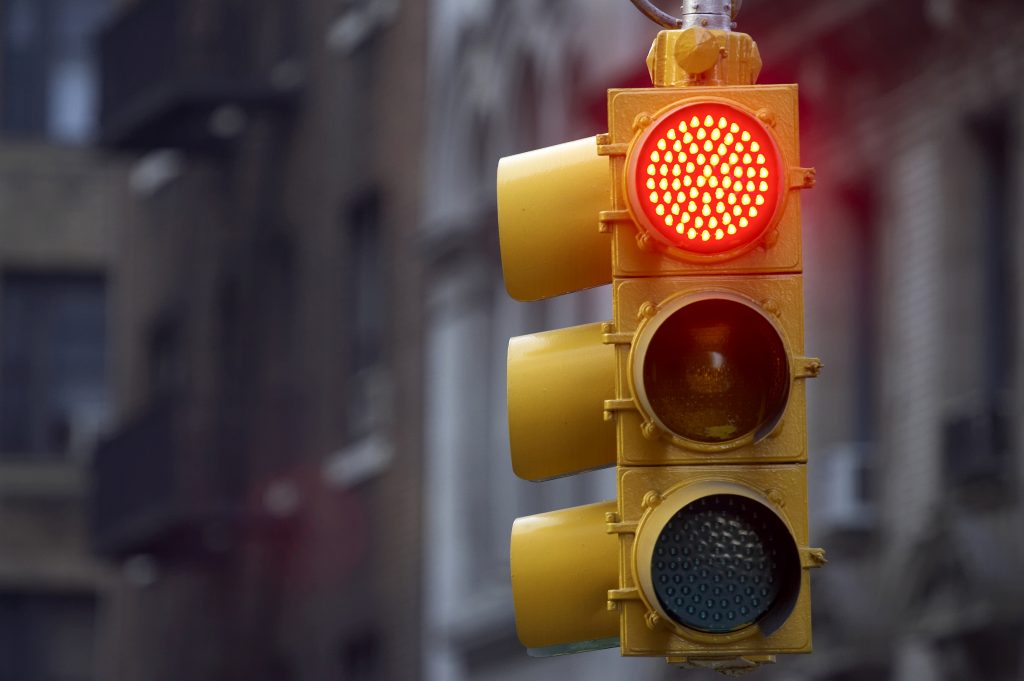
Traffic signal operations play an important role in the safe and efficient movement of people, goods, and vehicles through our roadway systems. According to the 2012 National Traffic Signal Report Card, the overall quality of traffic signal operations in the US is not satisfactory. In particular, the report stresses the need for routine signal timing updates to keep pace with changes in population growth and traffic patterns.
The Federal Highway Administration Arterial Management Program lists the Traffic Signal Academy as a training source.
As they face limited fiscal resources, agencies at all levels must find ways to optimize available technology while applying innovative concepts to systems already in place. To aid in solving this problem, the Traffic Signal Academy will focus on academic research findings and established best practices in signal timing procedures and policies. This reliable information can help improve benefit-to-cost ratios by operating new or existing systems with greater efficiency. The academy offers a comprehensive discussion on standards, warrants, installation and maintenance guidelines, and strategies to minimize the adverse effects of liability issues. Investing in traffic signal training, from design to operations to maintenance, demonstrates a robust commitment to continuous improvement in the nation’s transportation system.
Traffic Signal Academy can bring workshops to your location. Please contact Dr. Airton Kohls (Phone: 865-974-0298, Email: akohls@utk.edu) for more information about setting up customized sessions for your agency.
Course Description
Day 1 (MUTCD and Signalized Intersections)
A brief introduction to the history of traffic signals will illustrate the evolution of intersection traffic control through the years. The process of justifying the installation of a traffic signal will be discussed, exemplified and supported by a thorough explanation of the current MUTCD Warrants. Additional information on Part 4 of the MUTCD will be presented, focusing on the design and positioning of signal indications and illustrated with examples and tables. New MUTCD provisions, such as the optional use of “flashing yellow arrow” for permissive only or protected-permissive modes will be discussed. Guidance to design of pedestrian control features will also be provided. A description of commonly used terms in the traffic signal industry will include the definition of phase, a detailed explanation of the standard NEMA ring-and-barrier diagrams, the treatment of left-turn phases being followed by a presentation on operational characteristics of traffic signals.
Day 2 (Signal Timing)
A discussion on traffic signal timing objectives, benefits and characteristics will lead to the presentation of basic traffic flow principles and traffic signal timing strategies. Isolated signal timing, covering pre-timed and actuated operation will be followed by relevant information on coordinated signal timing. A step-by-step signal timing example will provide the opportunity to explore guidelines on the calculation of signal timing parameters for different modes of operation under different scenarios, covering cycle length, change and clearance intervals, vehicular and pedestrian intervals, etc. An overview of analysis procedures and signal timing tools will briefly instruct on how to evaluate signalized intersection performance.
Day 3 (Detection and Advanced Operations)
Simulation examples will illustrate the functionality of several controller parameters related to current guidelines on detection system design. The concepts of dilemma and indecision zone will be discussed and, low-speed and high-speed detection designs will be covered. A detailed presentation will provide appropriate values used by agencies on Volume Density settings and information on advanced controller features as well as on video detection will be presented. Relevant guidelines and references on Traffic Signal Priority Control, Traffic Responsive Control, Adaptive Traffic Signal Control and the System Engineering Analysis will be covered. Diamond Interchange Operations will be discussed and controller settings included. Preemption concepts will also be covered.
Day 4 (Traffic Signal Installation and Maintenance)
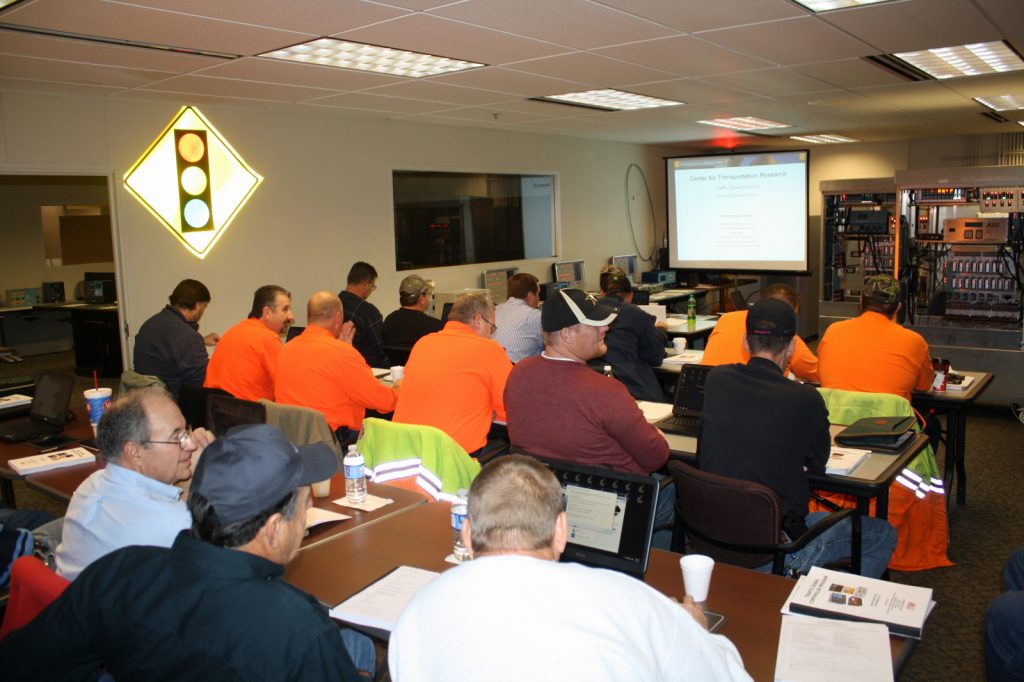
Students will become familiar with components of a traffic signal system and with appropriate traffic signal maintenance procedures. The Center for Transportation Research Traffic Signal Laboratory is a unique learning environment that allows the user to be exposed to the complexities involved with setting up and maintaining traffic signal controllers, conflict monitors, load switches, detection and communication systems on both NEMA TS-1 and TS-2 cabinets. Installation and maintenance guidelines of traffic signal supports and indications will also be provided. General information on the design and interpretation of traffic signal plans and a checklist for preventive and responsive maintenance will also be discussed. Appropriate information regarding liability and negligence will be presented in addition to guidelines to reduce exposure to lawsuits.
Day 5 (Traffic Signal Controller Programming)
Students will experiment with controller parameters on a realistic simulation environment and will be presented with information on how to navigate traffic signal controller menus, including programming instructions and interactive examples on timing parameters, detection, coordination and advanced functions.
Day 6 (Traffic Signal Systems in Oversaturated Conditions)
Agencies are frequently challenged with moving traffic in congested conditions and situations where the traffic demand exceeds the capacity of the system. The focus of this workshop is to diagnose types and causes of oversaturated conditions at signalized intersections, identify appropriate operational objectives based on observed conditions and discuss available mitigating strategies that can have an appreciable effect on overall system performance.
Learning Tools
- Several short movies will illustrate the concepts presented in class, enhancing the understanding of traffic signal controller parameters (See examples below);
- Animated slides will provide a dynamic view of terminology and standards related to traffic signal control;
- Short exercises will help the student verify the understanding of the content;
- Traffic signal equipment will be available for demonstration of installation and maintenance procedures;
- Students will be able to interact with the functionalities of traffic signal controllers and understand how traffic reacts to different parameters.
Example 1: Short Greens
A common complaint to agencies related to “not enough green” to cross the intersection is demonstrated here. Relevant information and videos will be provided on how to potentially minimize the problem.
Example 2: Passage Time
Issues related to passage time (extension time) and intersection efficiency will be explored and demonstrated.
Locations
CTR Traffic Signal Laboratory
Traffic Signal Laboratory is a fully functioning closed-loop traffic control system. It includes a NEMA TS-1 and a NEMA TS-2 cabinet, high performance loop based detection as well as video detection and multi-mode fiber and spread-spectrum wireless communication. The laboratory will expose the user to the complexities involved in setting up and maintaining traffic signal cabinets, detection and communication systems.
Knoxville
Classes are held at the National Transportation Research Center (NTRC), located at 2360 Cherahala Blvd, Knoxville, Tennessee 37932. Because of security requirements, visitors must register at the front desk to receive a visitor’s badge.
For a map, click here.
Restaurants are available nearby.
Nashville
Classes are held at the UT Extension Office – Ellington Agricultural Center, located at 5201 Marchant Drive, Nashville, TN 37211.
For a map, click here.
Jackson
Classes are held at the UT West Tennessee Research & Education Center, located at 605 Airways Blvd. Room B, Jackson, TN 38301.
For a map, click here.
Memphis
Classes are held at the UTAI AG Extension Office Agricenter International Building, 7777 Walnut Grove Rd Building B, Memphis, TN 38120.
For a map, click here.
Restaurants are available nearby.
Kingsport
Classes are held at the Kingsport Center for Higher Education (KCHE), 300 West Market St., Kingsport, TN 37660
Restaurants are available nearby.
Instructors
Airton G. Kohls, Ph.D.
Dr. Kohls is a Research Associate at the University of Tennessee’s Center for Transportation Research. He holds B.S., M.S. and Ph.D. degrees in Civil Engineering from the University of Tennessee. He has 10 years practical experience in Traffic Engineering with both public and private agencies. Dr. Kohls has served as an Adjunct Assistant Professor with the University of Tennessee Department of Civil Engineering, teaching Traffic Engineering Operations.
Phillip Reyes
City of Knoxville – TN – Traffic Signal Systems Supervisor
Attendees
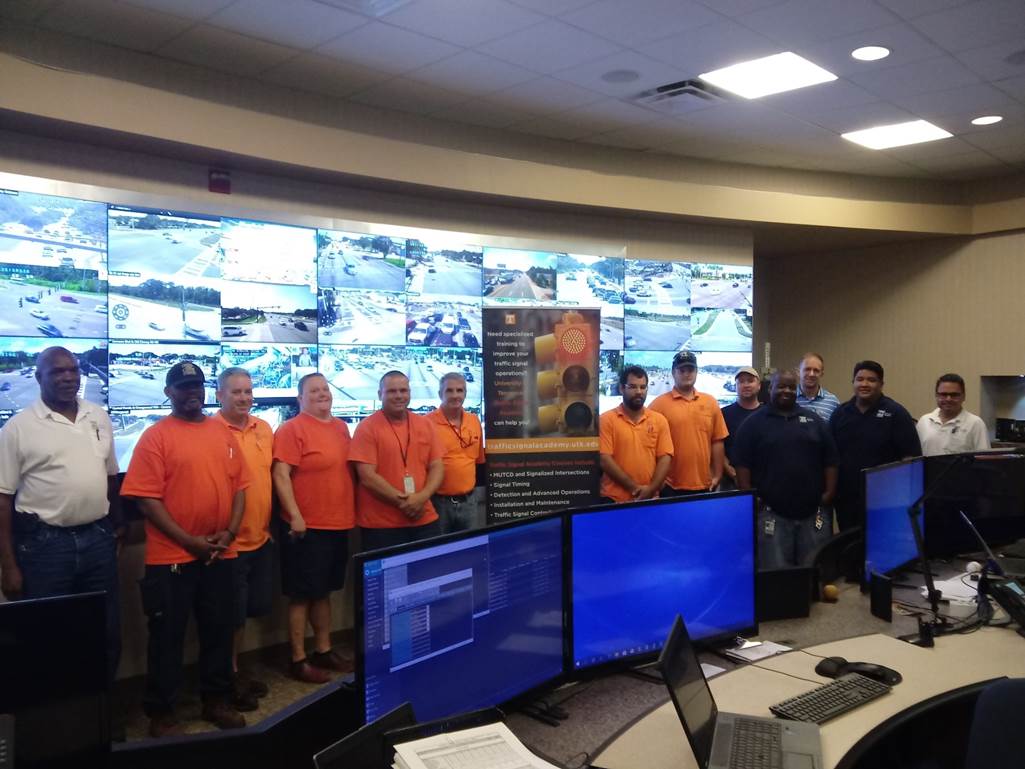
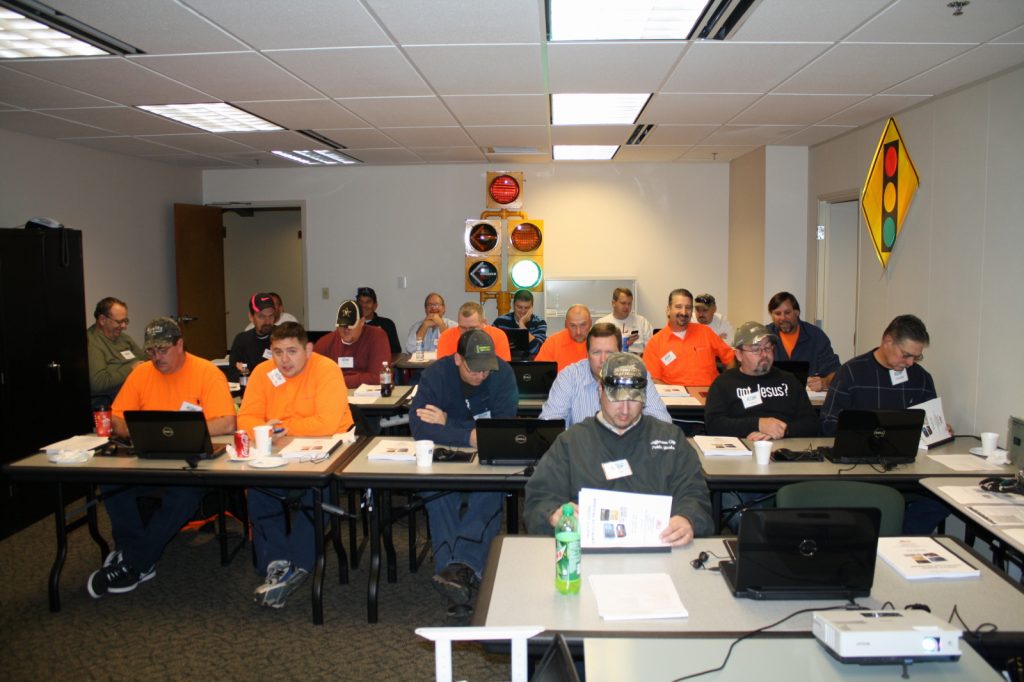
Since 2010, the Traffic Signal Academy has provided services to over 1,000 participants in 6 different courses. Federal, state, county and city agencies plus consultant firms have attended our classes. Here are a few of our attendees:
STATES:
AlabamaThe host name for IP sunshine.device.utk.edu is .
Arkansas
Arizona
Colorado
Georgia
Illinois
Kansas
Kentucky
Michigan
Missouri
Mississippi
North Carolina
Oregon
Pennsylvania
Tennessee
Texas
Virginia
Wisconsin
West Virginia
CONSULTANTS:
Aecom
Aegis ITS
Ajax Engineering
Alfred Benesch & Co.
Allen and Hoshall Inc.
Askew Hargraves Harcourt & Associates LLC
Atkins
Bacon Farmer Workman Engineering & Testing Inc.
Berry Engineers LLC
Buchart Horn Inc.
BWSC
C2RL
Cannon and Cannon Inc.
Clinard Engineering Associate LLC
Collier Engineering Co.
DBS & Associates Engr.
Fisher and Arnold Inc.
Florence and Hutchenson
J M Teague Engineering
Mattern and Craig
McClelland Consulting Engineers Inc
Palmer Engineering Co. Inc.
Parson Group
Quality Traffic Systems
Ragan Smith Associates
Robert G Campbell & Associates
RPM Transportation Consultants
SSR Smith Seckman Reid
TLM & Associates
Transystems
TRC International Ltd.
Vaughn and Mellon
Volkert and Associates
W H Porter and Co.
Wiser Company LLC
AGENCIES:
FHWA – Federal Highway Administration
Kentucky Transportation Cabinet
Oak Ridge National Laboratories
PennDOT – Pennsylvania Department of Transportation
Rahal Transportation Institute
TDOT – Tennessee Department of Transportation
Testimonials
The classes I’ve attended have helped expand my knowledge of the subject. The presentations have been well thought out and contain timely visuals to help get the difficult points across. – Matt Meservy, P.E. – AECOM
The classes were very stimulating as well as motivating. I had an opportunity to learn more about the work I do in a much simpler way. The videos and visuals were very helpful and the Manuals received contained important information for future references and guidance. – Mike Towles, TDOT Design Division, ITS
I don’t think I have ever participated in a workshop that contained so much substance and useful information. – Wesley Stokes – J.M. Teague Engineering, PLLC – Waynesville – North Carolina
Contact Traffic Signal Academy
Dr. Airton Kohls, akohls@utk.edu
865-974-0298 • 1-800-252-7623
309 Conference Center Building
Knoxville, Tennessee 37996-4133